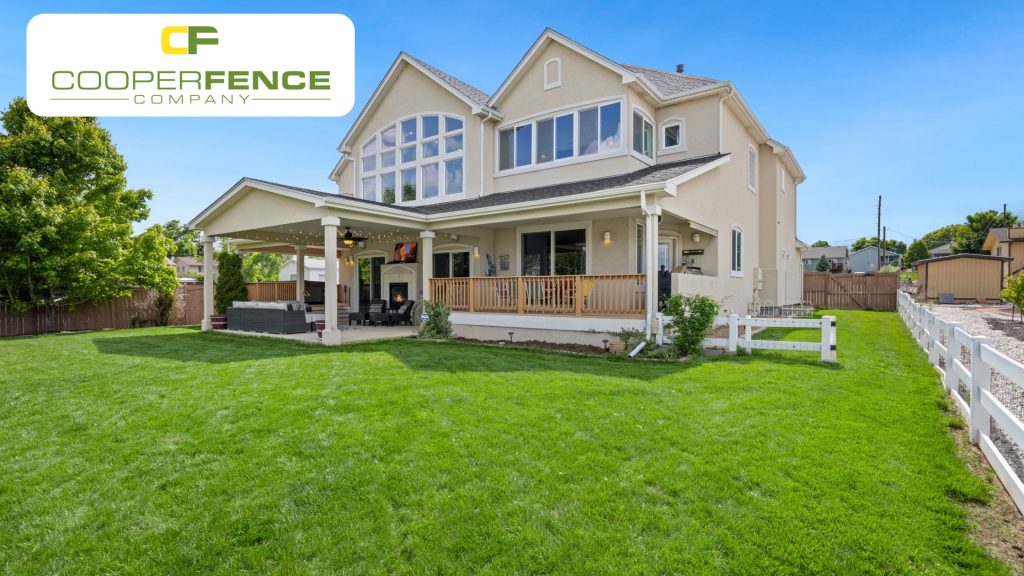
Installing a fence at your home in Daphne or anywhere in Baldwin County is one of the most practical improvements you can make to your property. A well-chosen fence adds privacy, defines your space, improves curb appeal, keeps pets and children safely contained and can meaningfully increase property value. But before a single post goes in the ground, there are several things every homeowner should understand about property lines, permits, HOA requirements and neighbor considerations that can turn a straightforward project into a complicated one if they are not addressed upfront.
This guide is designed to walk Baldwin County homeowners through the practical steps and considerations involved in fence installation so the process goes smoothly from the first conversation to the finished product.
Start with Your Property Lines, Not Your Assumptions
The most common mistake homeowners make when planning a fence is assuming they know exactly where their property lines are. A general sense of where your lot ends and your neighbor’s begins is not the same as a legally confirmed boundary, and the difference between the two can result in a fence that is installed on a neighbor’s property, a fence that needs to be moved at your expense or a boundary dispute that strains a relationship and potentially involves legal costs.
Before beginning any fence installation project in Baldwin County, the right first step is confirming your actual property lines through one of the following approaches.
Review your property survey if you have one. When you purchased your home, you likely received a survey as part of the closing process. This document shows the legal boundaries of your property and is the most reliable starting point for determining where your fence can legally be placed.
Look for survey pins. Most residential lots have metal survey pins driven into the ground at the corners of the property during the original survey. These pins are often covered by grass or soil over time but can be located with a metal detector or by carefully probing the ground at the corners of where you believe your lot lines run. Finding these pins confirms the corners and allows you to establish the line between them.
Hire a surveyor. If you cannot locate your survey documents or your survey pins, hiring a licensed surveyor to re-establish your property boundaries before installing a fence is money well spent. The cost of a survey is substantially less than the cost of moving a fence that was installed in the wrong location, and it eliminates any ambiguity that could create problems later.
Understanding Setback Requirements in Baldwin County
Even after confirming where your property line falls, your fence cannot necessarily be installed directly on that line in every location. Local ordinances in Baldwin County and the municipalities within it, including Daphne, establish setback requirements that dictate how far a fence must be placed from property lines, roads, easements and other features of the lot.
Setback requirements vary by municipality, zoning district and the specific location of the fence on the property. A rear yard fence is typically subject to different setbacks than a front yard fence, and properties on corner lots face additional considerations because they have two street-facing sides rather than one.
In general, front yard fences in many Baldwin County municipalities are subject to stricter height and setback restrictions than side and rear yard fences. This is worth understanding before selecting a fence style and height, since a fence that works perfectly for your back yard may not be permitted in the front without modification.
The most reliable way to confirm the specific setback requirements for your property and the fence you are planning is to contact the planning or zoning department for the municipality your property falls within before purchasing materials or beginning installation.
Permits: When You Need One and When You Do Not
Whether a fence installation in Baldwin County requires a building permit depends on the municipality, the height of the fence and in some cases the material. Requirements vary across the county, and what applies in Daphne may not apply identically in Fairhope, Spanish Fort or an unincorporated part of Baldwin County.
As a general rule, taller fences are more likely to require a permit than shorter ones, and fences in certain locations on the property, such as near roads or drainage easements, may trigger permit requirements regardless of height. Some municipalities require permits for any fence installation regardless of height or material.
The consequence of installing a fence without a required permit is not simply a fine. In some cases it can result in a required removal or modification of the fence at the homeowner’s expense, which is a cost that a simple permit application would have avoided entirely. Confirming permit requirements before installation begins is a straightforward step that protects the investment you are making in your property.
Cooper Fence works with homeowners throughout Daphne and Baldwin County on the permitting process and can provide guidance on what is typically required for the type of fence you are planning. Starting that conversation during the quote process is the most efficient way to ensure permit requirements are factored into the project timeline from the beginning.
HOA Rules and Deed Restrictions
For homeowners in a community with a homeowners association, the HOA’s governing documents, which typically include the CC&Rs, or Covenants, Conditions and Restrictions, often contain specific requirements about fence installation that go well beyond what local ordinances require.
HOA fence rules commonly address the approved fence materials and styles, maximum height restrictions, color requirements, gate placement requirements and in some cases whether a fence is permitted at all in certain parts of the lot. Some HOAs require homeowners to submit a formal application and receive written approval before any fence work begins, and installing a fence without that approval can result in required removal at the homeowner’s expense.
Before beginning a fence project in any HOA-governed community in Baldwin County, reviewing the CC&Rs and submitting whatever approval application the HOA requires is a necessary step that should happen before materials are ordered. If you are unsure where to find your HOA’s governing documents or what they say about fence installation, contacting your HOA management company directly is the place to start.
Talking to Your Neighbors Before You Build
This step is not legally required in most cases, but it is one that experienced fence contractors consistently recommend and that homeowners who have navigated boundary disputes after the fact universally wish they had taken. A brief conversation with the neighbors on each side of the proposed fence before installation begins accomplishes several things.
It gives you an opportunity to confirm that both parties agree on where the property line falls, which can prevent disputes that arise after the fence is installed. It gives your neighbor an opportunity to raise any concerns about the fence placement, height or style before the project is underway rather than after. And in some cases it creates an opportunity for a shared fence arrangement where both neighbors benefit and potentially share the cost of an installation along a shared boundary.
A fence that is installed with the knowledge and goodwill of neighboring property owners is a fence that starts its life without the friction of a neighbor who feels blindsided, and that is worth a brief conversation regardless of whether one is technically required.
Choosing the Right Fence for Your Property
Once the boundary, permit and HOA questions are resolved, selecting the right fence material and style for your specific property is the next decision. If there is already a fence on the boundary, it is worth having it evaluated first, because fence repair is often the faster and less expensive path when the posts and framing are still sound. Cooper Fence offers residential fencing options across multiple materials and styles, each with different performance characteristics, maintenance requirements and aesthetic profiles that suit different property types and homeowner priorities.
Residential aluminum and handrail fencing is one of the strongest choices for Baldwin County homeowners who want a low-maintenance, long-lasting fence that holds up to the Gulf Coast’s salt air, humidity and UV exposure. Aluminum does not rust, warp or require periodic repainting and delivers a clean, finished appearance that complements a wide range of home styles.
Residential chain link fencing is a practical and cost-effective solution for homeowners whose primary priorities are pet containment, yard definition and durability rather than aesthetics or privacy. Chain link is a reliable workhorse in residential applications and holds up well in the Gulf Coast environment.
Wood fencing remains a popular choice for homeowners who want privacy and a natural aesthetic, though the Gulf Coast’s humidity and moisture cycles require a commitment to periodic maintenance, staining or sealing to keep wood fencing performing well over time.
The right choice depends on what you are trying to accomplish with the fence, the specific conditions of your property and your tolerance for ongoing maintenance. A conversation with the Cooper Fence team during the quote process helps narrow down the options to what actually makes sense for your situation rather than defaulting to what looks good in a showroom.
Working with an Experienced Local Fence Contractor
For homeowners in Daphne and Baldwin County, working with a contractor who knows the local permitting environment, understands the specific performance demands of the Gulf Coast climate and has a track record of completed installations in the area is one of the most important decisions in the fence installation process.
Cooper Fence has been serving homeowners and commercial property owners across Mobile, Baldwin County and the Pensacola area for over a decade. The team is a member of the American Fence Association, the Baldwin County Home Builders Association and the Associated General Contractors of America, and every installation is backed by a one-year workmanship guarantee. With a large local warehouse supporting faster project timelines and experienced installation crews who know what Gulf Coast fencing demands, Cooper Fence is equipped to handle residential fence projects of any size or complexity.
Ready to get started on your fence project in Daphne or Baldwin County? Request a free quote from Cooper Fence today or call (251) 367-1980 to speak with the team about your property and the fence options that make the most sense for your situation.
Frequently Asked Questions
Do I need a permit to install a fence in Daphne, AL?
Permit requirements for fence installation in Daphne and Baldwin County vary depending on the municipality, the height of the fence and its location on the property. Some municipalities require permits for any fence installation while others only require them for fences above a certain height or in specific locations. The most reliable way to confirm whether a permit is required for your specific project is to contact your municipality’s planning or zoning department before beginning installation. Cooper Fence can also provide guidance on permit requirements during the quote process based on experience with residential fence installations throughout the area.
How do I find my property lines before installing a fence in Baldwin County?
Start by reviewing your property survey from your home purchase closing documents, which should show the legal boundaries of your lot. Survey pins, which are metal markers placed at the corners of your property during the original survey, can sometimes be located by probing the ground at the corners of your lot or using a metal detector. If you cannot locate your survey documents or pins, hiring a licensed surveyor to re-establish your boundaries before installation is the most reliable approach and eliminates the risk of installing a fence in the wrong location.
What happens if my HOA does not approve my fence before I install it?
Installing a fence without required HOA approval can result in the HOA requiring you to remove or modify the fence at your own expense. HOA governing documents, typically the CC&Rs, frequently include specific requirements about fence materials, styles, height and placement, and some require formal written approval before any fence work begins. Reviewing your HOA’s documents and submitting whatever approval application is required before ordering materials or beginning installation is the step that prevents this outcome.
How close to my property line can I install a fence in Baldwin County?
This depends on the local setback requirements for your specific municipality and zoning district. Front yard fences are typically subject to stricter setback rules than rear and side yard fences, and corner lots face additional considerations because of the two street-facing sides. The planning or zoning department for your municipality is the authoritative source for the specific setbacks that apply to your property and fence location. Cooper Fence can also help you understand typical setback requirements for residential fence installations in the Daphne and Baldwin County area.
What residential fence materials does Cooper Fence offer for Baldwin County homeowners?
Cooper Fence offers residential fencing in aluminum, chain link and wood, each with different performance characteristics suited to different homeowner priorities and property types. Aluminum is a strong choice for homeowners who want a low-maintenance, durable fence that holds up to the Gulf Coast environment. Chain link is a cost-effective solution for pet containment and yard definition. Wood offers privacy and a natural aesthetic with a commitment to periodic maintenance in the Gulf Coast’s humid climate. The Cooper Fence team can help you evaluate which material best fits your property, your priorities and your budget during a free quote consultation.